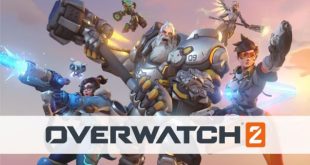
After its 2016 debut, Overwatch swiftly rose to prominence as one of the most well-known team-based shooters in contemporary video games. The game combines vibrant characters, fast-paced action, and a futuristic setting. Teams compete in games where strategy and coordination are more important than individual talent. It distinguished itself from other shooters by its lively graphic design and fluid gameplay.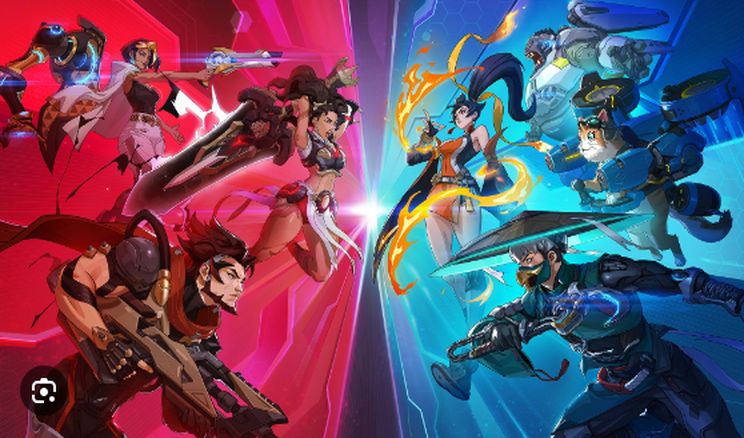
The game is set on a near-future Earth where the plot is shaped by global wars and cutting-edge technology. A wide variety of heroes with distinct personalities and skills are available for players to select from. Each hero has a distinct role that provides various forms of assistance to the squad. Players are encouraged to try out various play styles and strategies thanks to its design.
Team-Based Gameplay
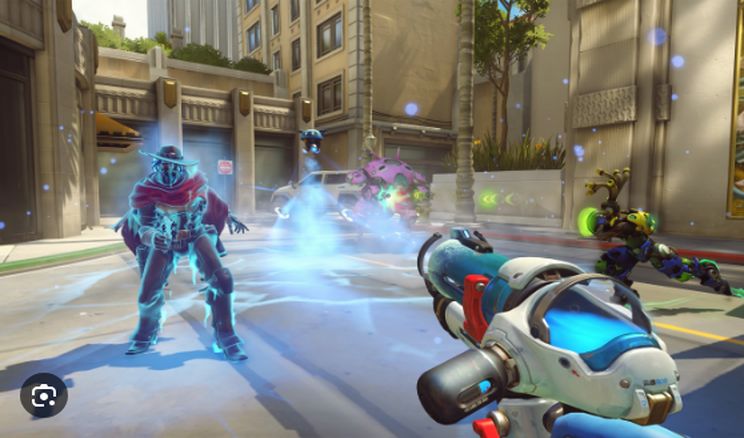
In Overwatch, collaboration is prioritized above single performance. Two teams often compete in each encounter to accomplish goals like transporting packages or seizing control locations. The secret to success is player coordination and communication. Teams who successfully blend offensive, defensive, and support skills are rewarded throughout the game.
Unique Hero Abilities
Overwatch’s cast of heroes with unique abilities is one of its most notable characteristics. While some characters are skilled at delivering significant damage, others specialize on healing their comrades. By absorbing blows and managing space on the battlefield, tanks defend their comrades. Depending on the makeup of the squad, this hero diversity makes each game feel unique.
Map Design and Objectives
Overwatch’s maps are thoughtfully created with several routes and key spots. During games, players have to consider time, placement, and map control. Teams approach battles differently depending on the objectives introduced by different game modes. The gameplay is kept thrilling and surprising by the changeable map configurations.
Competitive and Casual Modes
Overwatch has a competitive ranking system in addition to casual matchups. Players may learn hero mechanics while having fun in casual settings. Skill ratings and seasonal prizes for devoted players are introduced in competitive mode. Both novice and seasoned gamers may enjoy a balanced atmosphere thanks to its arrangement.
Visual Style and Presentation
The game’s vibrant graphics and dramatic character designs are well-known. Voice lines, plot components, and animations all represent the distinct personalities of each hero. The setting comes to life because to Blizzard’s attention to visual detail. Even those who are unfamiliar with shooting games will find Overwatch enticing because to its sophisticated appearance.
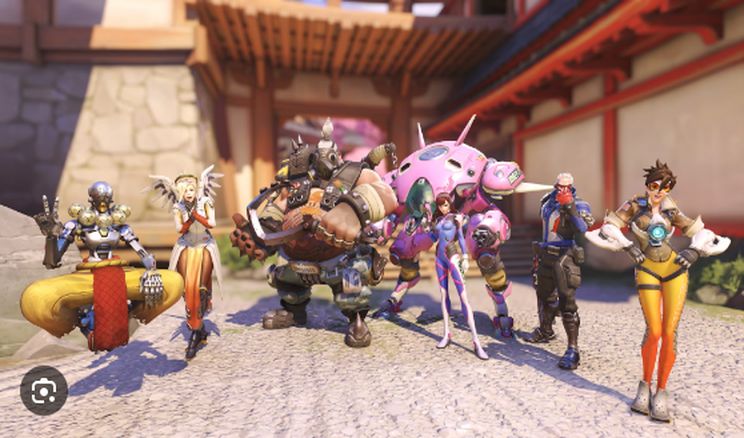
Features Of Overwatch 1 Highly Compressed PC
- Overwatch was released by Blizzard Entertainment in 2016.
- The game is a team-based multiplayer first-person shooter.
- Players select heroes with unique abilities and roles.
- Matches focus on objectives rather than simple eliminations.
- Team coordination plays a major role in winning games.
- The game features a colorful and stylized visual design.
- Various maps offer different layouts and strategies.
- Competitive mode includes rankings and seasonal rewards.
- Overwatch helped popularize hero-based shooter games.
- The franchise later continued with the sequel Overwatch 2.
Hero-based multiplayer shooters have become more popular in the game industry as a result of Overwatch’s popularity. Similar character-driven gameplay mechanics were used in several subsequent games. With professional teams and structured competitions, the esports sector also became well-known across the world. Globally, competitive matches drew sizable crowds.
System Requirements
| Ram | 1 GB |
|---|---|
| Processor | Intel Core i3 |
| Accessories | Keyboard, mouse, and speaker |
| Graphics card | NVIDIA GeForce GTX 460 |
| Windows | Xp, 7, 8, 8.1, 10, and 11 |
| Free disk space | 30GB |
The game’s developing plot, which is conveyed through animated shorts and comics, is another significant feature. These works deepen the turmoil around the Overwatch organization and the heroes’ backstory. Fans developed strong bonds with the characters and their interactions. The narrative strategy contributed to the development of a robust gaming community.
Overwatch is still a significant game in the history of multiplayer gaming, even years after it was first released. Its combination of personality, strategy, and accessibility influenced the design of contemporary team shooters. The game developed a devoted following and sparked several conversations regarding cooperation and balance. Its impact on upcoming games and competitive gaming ensures that its legacy lives on.